Thinking about installing a wood stove? Here’s what you need to know about safety, codes, and clearances before you begin.
A wood stove can add warmth, comfort, and a cozy feel to any home. Many homeowners also see it as a reliable heating option during colder months. But before planning a wood stove installation, it’s important to understand that safety comes first.
Installing a stove is not just about placing it in a room. It involves proper setup, correct venting, and following specific safety rules. If not done right, it can lead to fire risks or smoke issues inside the home.
To make the right decision, it’s important to understand how installation works, as well as the codes and clearances that keep your home safe.
What Is Wood Stove Installation?
Wood stove installation involves setting up a heating unit, so it operates safely and efficiently inside your home. It’s not just about placing the stove; it includes proper positioning, venting, and connecting it to a chimney or flue system.
A proper setup ensures that smoke exits while heat stays inside. This is why professional wood burner installation focuses on both performance and safety, not just appearance.
Depending on your home, the installation may also involve adjusting the chimney or adding protective surfaces around the stove.
Is Wood Stove Installation Safe?
A wood stove can be completely safe, but only when it is installed correctly and follows the manufacturer’s instructions. Most risks come from incorrect setup rather than the stove itself.
Here are a few common risks linked to poor installation:
- Fire hazards: Placing the stove too close to walls or furniture can lead to overheating.
- Smoke entering the home: Improper venting can stop smoke from exiting properly.
- Carbon monoxide risks: Blocked or poorly connected flues can allow harmful gases to build up indoors.
When proper methods are followed, wood fire stove installation becomes a safe and reliable heating option for your home.
Why Codes and Regulations Matter
When it comes to wood fire stove installation, safety rules are not optional; they are essential. These codes are designed to protect your home from fire risks and ensure the stove works as it should.
Here’s why they matter:
- Fire safety standards: Codes require the stove to be installed at a safe distance from walls and other surfaces.
- Legal compliance: Many areas require permits and inspections before and after installation.
- Insurance requirements: Incorrect installation may affect your home insurance coverage.
- Long-term safety: Following regulations helps prevent issues that may not be visible right away.
Ignoring these guidelines can lead to serious safety and legal problems later.
Understanding Clearance Requirements
One of the most important parts of wood burner installation is maintaining the right clearances. This simply means keeping safe distances between the stove and nearby surfaces.
- Distance from walls and furniture
The stove must be placed far enough to prevent heat damage or fire hazards. - Floor protection
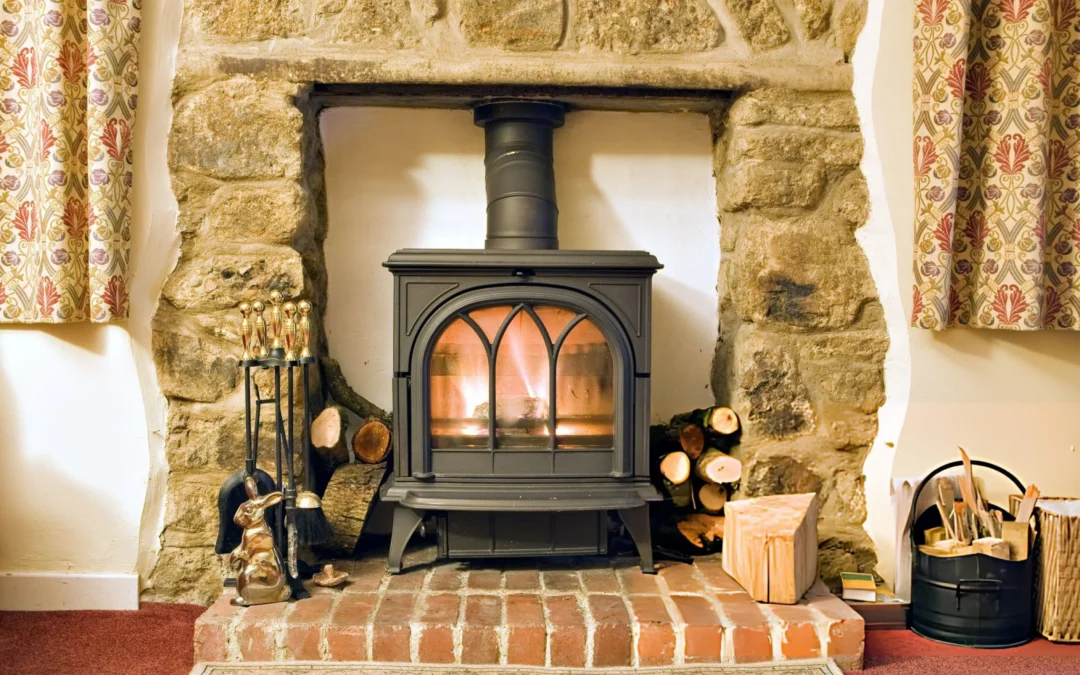
A proper base, like a non-combustible hearth, protects the floor from heat and sparks. - Ceiling and chimney space
Adequate clearance helps control heat and allows proper ventilation. - Vent pipe spacing
The pipe that carries smoke out must be installed with sufficient clearance to prevent overheating nearby areas.
Correct clearances are key to keeping your stove safe, efficient, and compliant with regulations.
Common Mistakes to Avoid During Installation
Even a small mistake during wood stove installation can lead to safety issues later. Many of these errors happen when proper guidelines are not followed or when installation is rushed.
- Placing the stove too close to the walls or furniture
This is among the most frequent errors. Without proper distance, heat can build up and damage nearby surfaces or even start a fire over time. - Incorrect venting or chimney connection
The correct attachment is required for proper smoke escape. Improper ventilation leads to smoke re-entering the living space. - Skipping permits or inspections
Some homeowners ignore local rules to save time. However, missing permits can lead to legal issues and may also impact insurance coverage. - Using the wrong materials for setup
Not all surfaces can handle high heat. Using improper flooring or wall protection can increase the risk of fire. - Attempting DIY installation without expertise
While it may seem simple, installing a stove requires a solid understanding of safety standards and clearances.
Avoiding these issues helps ensure your stove works safely from day one and reduces the chances of future problems.
Picking the Right Wood Stove for Your Home
Selecting the right stove is just as important as installing it properly. With many wood stoves for sale, it’s important to choose one that fits your space and heating needs.
- Size of your space
A stove that is inadequately sized may fail to heat properly, whereas an excessively large stove could cause the room to overheat. Choosing the right size ensures balanced heating. - Heating requirements
Think about how often you plan to use the stove and whether it will be your main heat source or a backup option. - Efficiency and performance
Modern stoves are designed to burn wood more efficiently, producing more heat with less fuel. This can also reduce smoke and buildup inside the chimney. - Placement within the home
The location of the stove affects how well the heat spreads. A central position usually works best for even warmth. - Design and style
While safety comes first, the stove’s appearance also matters. It should match your home while still meeting all safety standards.
Why Professional Installation Is Important
The installation of a wood-burning stove is not merely an installation process but also a safety one. Although it might seem like a relatively easy job, log burner installation requires skill, the right tools, and awareness of the codes and clearances involved. These are some reasons why professional assistance is recommended:
- Accurate code compliance
Professionals understand local regulations and ensure your installation meets all required safety standards. This helps you avoid legal and insurance-related issues later. - Proper clearances and placement
The experts ensure that the stove is positioned at a proper distance from the wall, floor, and ceiling. This prevents overheating and fire hazards. - Correct venting and chimney connection
A correct connection will allow you to exhaust all smoke and gas from your house. This is a very important step for efficiency and safety. - Thorough safety checks
In addition to installation, the experts perform an inspection to ensure the system operates correctly. - Long-term reliability
A well-installed stove performs better, lasts longer, and requires fewer repairs over time.
Choosing professional installation gives you peace of mind, knowing your stove is safe, efficient, and built to last.
Safe Installation Starts with the Right Expertise
A wood stove can be a great addition to your home, but its safety depends on how well it is installed. From following codes to maintaining proper clearances, every step plays a role in protecting your home and ensuring smooth performance. Taking the time to do it right is worth it.
At D.J. Cross, Inc., we approach every project with a strong focus on safety, proper setup, and long-term performance. Our team works closely with homeowners to ensure each installation meets required codes and fits the space correctly, so you get both comfort and peace of mind.
If you’re planning a new installation or upgrading your current setup, now is the right time to consult with experts and get it done right.