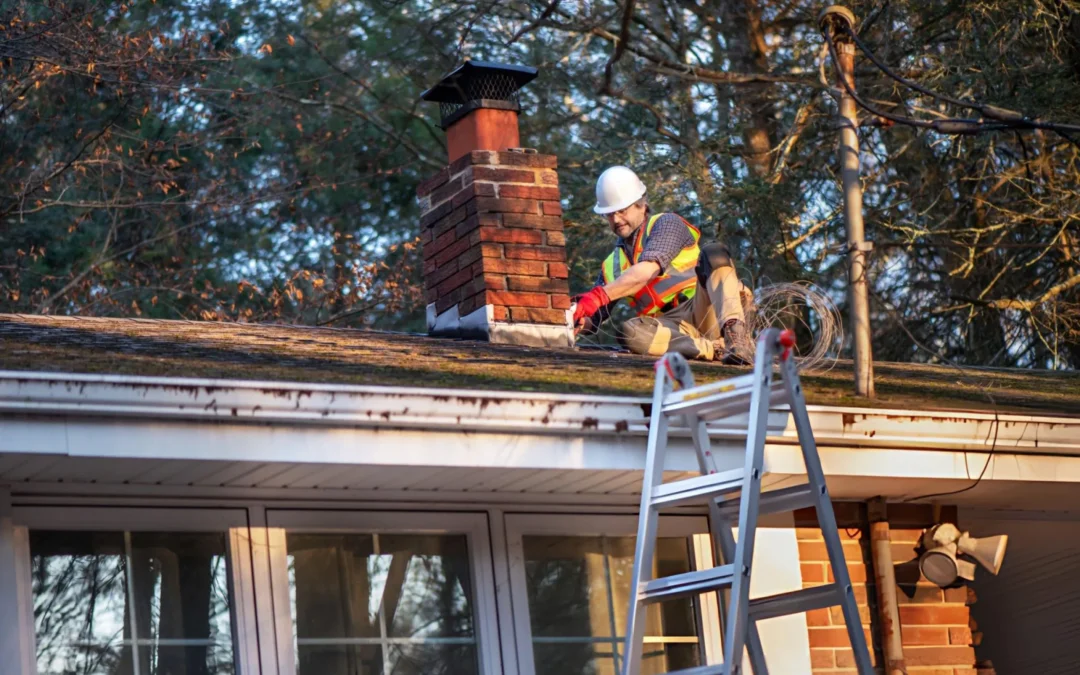
Historic chimneys add character to older Philadelphia homes. But age also brings wear. Mortar joints can crack, loosen, and wash away over time. When this happens, water can enter the chimney and damage the brickwork.
Repointing is one way to address this problem. It involves removing damaged mortar from the joints and replacing it with a suitable new mortar. For an older chimney, the work needs care. The wrong mortar or repair method can harm the original brick.
This guide explains what historic chimney repointing involves, when it is needed, and how it fits into wider chimney maintenance.
What Is Historic Chimney Repointing?
Repointing means repairing the mortar joints between bricks. It does not mean replacing the whole chimney.
Over time, mortars can lose its strength due to weather, moisture, and age. Repointing restores these joints while keeping sound bricks in place.
For historic homes, the repair needs to match the existing structure.
Important factors include:
- The age of the chimney
- The type of original mortar
- The condition of the bricks
- The color and texture of the existing joints
- The amount of water exposure
- Previous repair work
Good chimney masonry work should protect the bricks as well as the joints. Older bricks can be softer than modern ones. A mortar that is too hard may cause the brick to crack or wear down.
Why Do Historic Chimneys Need Repointing?
Several factors can cause mortar joints to fail.
| Cause | What It Can Do |
|---|---|
| Rain and moisture | Wash away or weaken mortar |
| Freeze-thaw cycles | Cause cracks and surface damage |
| Age | Reduce mortar strength |
| Poor past repairs | Create stress between bricks and mortar |
| Chimney movement | Open existing joints |
| Heat exposure | Contribute to wear around fireplace areas |
Once mortar starts to fail, water has more ways to enter the chimney. Small gaps can become larger over time.
This is why early chimney masonry repair can help prevent more extensive damage.
Signs Your Historic Chimney May Need Repointing
A chimney does not always show serious problems from the ground. Some signs, however, are worth checking.
Look for:
- Crumbling mortar between bricks
- Missing sections of mortar
- Visible gaps in the joints
- Loose bricks
- Cracked bricks
- White marks on the masonry
- Damp areas inside the home
- Water stains near the fireplace
- Pieces of mortar found near the chimney
If you notice these signs, avoid scraping or removing the mortar yourself. A professional inspection can determine how deep the damage goes.
Not every damaged joint need the same treatment. The condition of the brick and the surrounding masonry for chimney should be checked before work begins.
How Is Historic Chimney Repointing Done?
Proper repointing starts with an inspection. The goal is to repair the joints without damaging the original brick.
A typical process may include:
- Inspect the chimney
The condition of the bricks, joints, crown, and other areas is assessed. - Identify the mortar
The existing mortar is examined to help select a suitable replacement. - Check the bricks
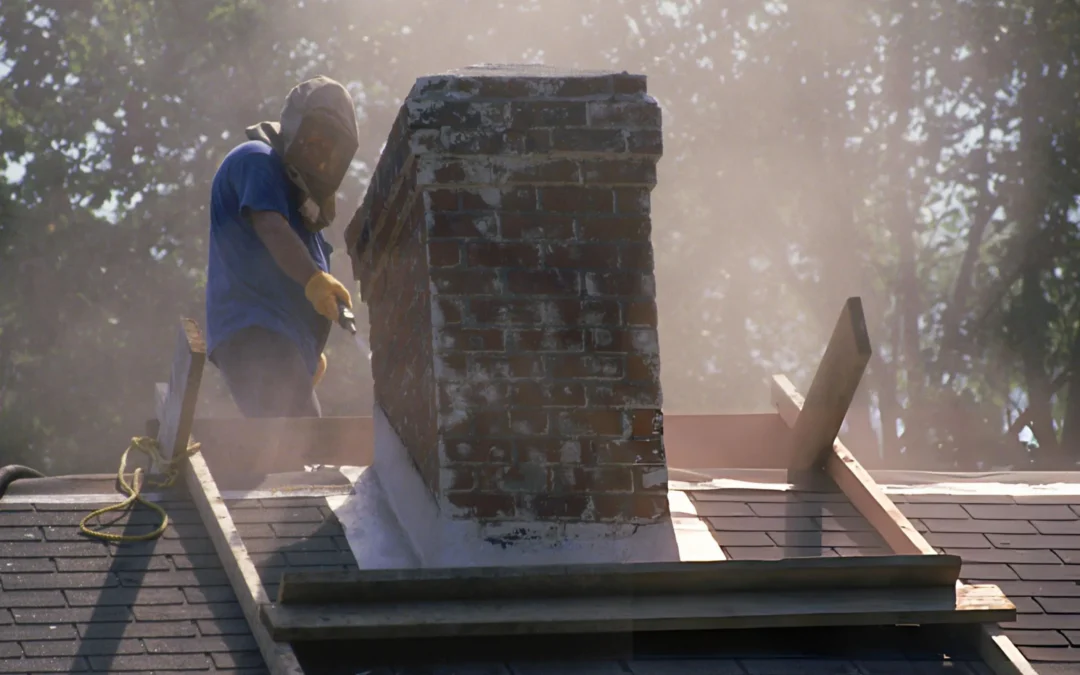
Damaged or loose bricks may need separate attention. - Remove failing mortar
Weak mortar is carefully removed from the joints. - Prepare the joints
Dust and loose material are cleared before new mortar is applied. - Apply matching mortar
The new material should suit the existing brick and mortar. - Finish the joints
The joints are tooled to match the surrounding work as closely as possible. - Inspect the finished repair
The repaired area is checked for gaps and other issues.
This careful approach is important when working in older homes.
When Is Repointing Not Enough?
Repointing works best when the bricks are still in good condition, and the main problem is failing mortar.
More extensive work may be needed when the chimney has deeper damage.
| Repointing May Be Enough | More Work May Be Needed |
|---|---|
| Mortar is crumbling | Bricks are badly cracked |
| Joints have small gaps | Bricks are loose |
| Bricks remain sound | Large areas are unstable |
| Damage is limited to joints | Water has caused deeper damage |
Other parts of the chimney may also need attention.
For example, a damaged crown can allow water to reach the masonry below. In such cases, chimney crown repair may be part of the overall repair plan.
Flashing should also be checked. Damaged flashing can allow water to enter where the chimney meets the roof.
How Repointing Fits into Historic Chimney Restoration
Repointing is often one part of a larger restoration project. A chimney may have several areas that need to be inspected.
Depending on its condition, a restoration plan may include:
- Repointing damaged mortar joints
- Replacing badly damaged bricks
- Inspecting the chimney crown
- Checking roof flashing
- Repairing water entry points
- Inspecting the chimney cap
- Assessing the fireplace and firebox
- Replacing damaged interior bricks
Historic chimney restoration should focus on preserving sound original materials where possible.
The same applies to fireplace brick restoration. Damaged fireplace bricks should be assessed before they are replaced. Matching the existing material can help maintain the character of an older fireplace.
Why Does Matching the Mortar Matter?
Mortar is not simply a filler between bricks. It plays an important role in how a masonry wall handles moisture and movement.
Older chimneys may use softer mortar. This allows the joints to handle some movement without placing too much stress on the bricks.
Using a very hard mortar can create problems.
For historic masonry:
- The mortar should suit the existing brick
- The color should blend with the original joints
- The texture should be considered
- The repair should allow the masonry to perform as intended
- Original bricks should be preserved when they remain in sound
Material selection is therefore an important part of professional chimney masonry repair.
How to Maintain a Repointed Historic Chimney
Repointing can address damaged joints, but regular maintenance helps protect the work.
Homeowners should:
- Schedule routine chimney inspections
- Check out new mortar cracks
- Watch for loose or damaged bricks
- Look for water stains indoors
- Keep the chimney crown in good condition
- Have roof flashing checked when needed
- Address leaks as soon as they appear
- Arrange fireplace brick restoration when interior bricks show damage
Regular checks can also identify the need for chimney crown repair before water causes wider masonry problems.
Protect Your Historic Chimney for the Years Ahead
Historic chimneys need the right repair at the right time. Repointing can help protect sound brickwork when mortar joints begin to fail. However, deeper damage may require a wider restoration plan.
At DJ Cross Inc., we inspect chimney masonry to understand the cause and extent of damage before recommending a repair. Our team can assess needs related to historic chimney restoration and help homeowners protect older chimney structures.
We also provide chimney masonry repair based on the condition of the chimney, rather than using the same approach for every home.
Proper care today can help preserve a historic chimney and reduce the risk of larger repairs later.