
Updating your existing masonry hearth with a new fireplace insert can significantly improve heating efficiency and home ambiance. However, deciding between gas, wood, or electric models depends on your specific lifestyle and heating needs. Whether you prioritize the crackle of real logs, the convenience of a remote, or simple installation, understanding the differences helps you determine the right fit. Each option stands apart in efficiency, maintenance, and overall feel.
How Do Fireplace Inserts Work?
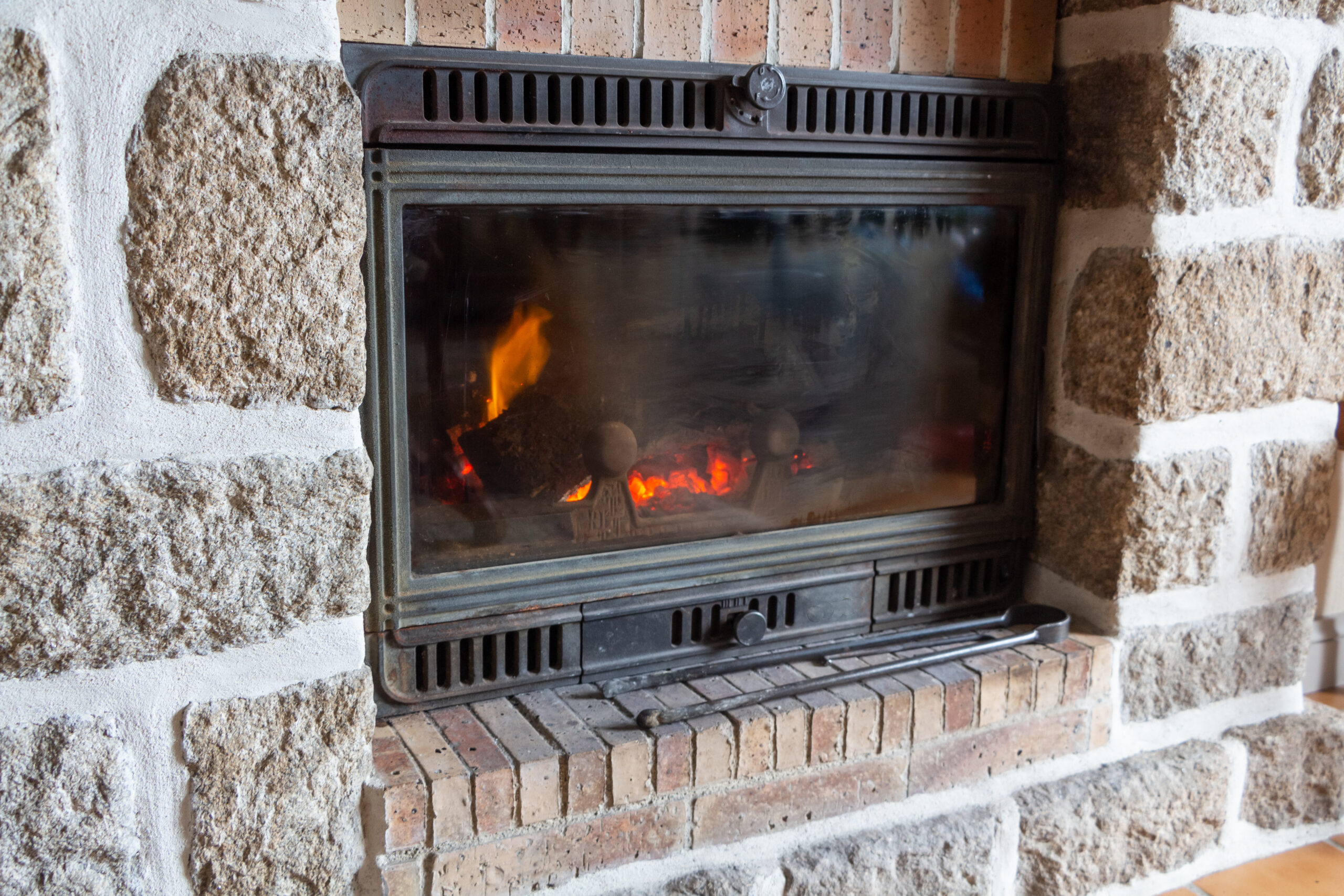
Fireplace inserts are self-contained heating units designed to slide seamlessly into your existing open masonry firebox. By sealing off the old chimney draft and utilizing a closed system, they transform an inefficient aesthetic feature into a powerful heat source. While they all significantly improve heating efficiency, the specific mechanism depends on the fuel source:
- Gas Inserts: These connect to a supply line and typically use a sealed dual-pipe venting system installed within the chimney. One pipe intakes fresh air while the other exhausts fumes, radiating heat through a sealed glass front.
- Wood Inserts: Functioning like a wood stove without legs, these sit inside the hearth and connect to a stainless steel liner running up the chimney, allowing for controlled, airtight combustion and longer burn times.
- Electric Inserts: These units slide into the opening and plug into a standard outlet. They use LED projections to mimic flames and an integrated electric heater with a blower to circulate warm air.
Which Insert Type Can Actually Heat Your Whole Home?
When aiming for significant warmth, wood inserts are the traditional powerhouse, generating intense radiant heat that can warm extensive square footage even during power outages. Gas inserts are a strong competitor, offering high-efficiency zone heating that keeps primary living spaces comfortable while significantly reducing reliance on your central furnace. On the contrary, electric inserts function mainly as supplemental space heaters, providing enough warmth to take the chill off a single room but lacking the BTU output to heat an entire house.
Your home’s layout significantly influences heat distribution. In single-level homes, a central blower can push warm air effectively to adjacent rooms for consistent coverage. However, multi-level homes rely heavily on natural convection since heat naturally rises. A powerful gas or wood insert installed on the main floor may overheat upper-level bedrooms while leaving lower floors cold. In short – if you have multiple floors, start at the bottom. It’s the best way to make sure the heat actually reaches every room.
Which Fireplace Insert Requires the Least Maintenance?
Maintenance is a major factor in long-term satisfaction. While every heating appliance requires some attention to operate safely, the level of ongoing commitment ranges from practically zero to daily chores. If you want a “set it and forget it” solution, electric wins easily, whereas wood demands significant sweat equity. Here is the typical upkeep required for each type:
- Electric Inserts: These are the undisputed low-maintenance champions. Upkeep usually involves nothing more than dusting the air intake vents and occasionally wiping the glass. Since there is no combustion, no professional chimney cleaning is required.
- Gas Inserts: These require moderate care. Manufacturers recommend an annual professional chimney inspection to clean the glass, check the pilot light, and ensure the venting system is leak-free.
- Wood Inserts: These demand the most work. Owners must handle daily ash removal, sourcing and stacking fuel, and scheduling mandatory annual chimney sweeps to remove dangerous creosote buildup.
Are Fireplace Inserts Worth It?
Investing in a fireplace insert offers major financial returns, though the long-term value depends on your chosen fuel. Wood inserts provide the greatest potential for reducing heating expenses, often slashing winter utility bills drastically for homeowners with access to affordable timber. These heavy-duty appliances are built to last decades, offering the best amortization over time.
Gas inserts also reduce central heating costs through efficient zone heating and offer excellent longevity with minimal daily effort. Conversely, while electric inserts are the most affordable upfront, they often result in higher monthly electric bills per unit of heat and typically have shorter operational lifespans than durable combustion units.
Do Fireplace Inserts Increase Your Home’s Resale Value?
Real estate experts generally agree that upgrading a drafty masonry fireplace adds tangible equity, but permanence is key. Because gas and wood inserts are considered permanent mechanical upgrades that improve energy efficiency, they typically boost resale value and attract buyers looking for lower utility costs.
Electric inserts, however, are often viewed as temporary appliances rather than structural improvements and rarely contribute significantly to the property’s appraisal value.
Start Your Fireplace Upgrade With Confidence
Selecting the perfect fireplace insert transforms your living space, but you don’t have to navigate these choices alone. Whether you prefer the crackle of wood, the convenience of electric, or the efficiency of gas, the DJ Cross team ensures a seamless upgrade. With NFI-certified expertise, we handle everything from venting assessments to final installation. Contact us today to schedule a consultation and find the ideal heating solution for your home.