Not sure which gas fireplace is right for your home? This guide helps you choose based on type, cost, style, and maintenance needs.
A gas fireplace can completely change the feel of your home. It adds warmth, improves comfort, and becomes a focal point in your living space. But choosing the right one is not always as simple as it seems. With so many styles, sizes, and features available, many homeowners end up unsure about what will actually work best for their space.
Some prefer a modern look, like a linear gas fireplace, while others look for something more traditional and functional. Along with design, factors like heating needs, cost, and maintenance also play an important role in making the right choice.
If you’re planning to invest in a fireplace, taking a little time to understand your options can make a big difference. This guide will help you choose a gas fireplace that fits your home, your needs, and your budget with confidence.
Types of Gas Fireplaces You Can Choose From
Before you decide, it helps to understand the main types available. Each option works differently and suits different kinds of homes.
- Gas fireplace inserts
These are installed into an existing fireplace, making them a great option for upgrading an old or unused setup. They improve efficiency and reduce heat loss compared to traditional fireplaces. Many homeowners explore this option when comparing the gas fireplace insert cost, especially when looking for the best gas fireplace insert that offers both performance and value - Freestanding gas stoves
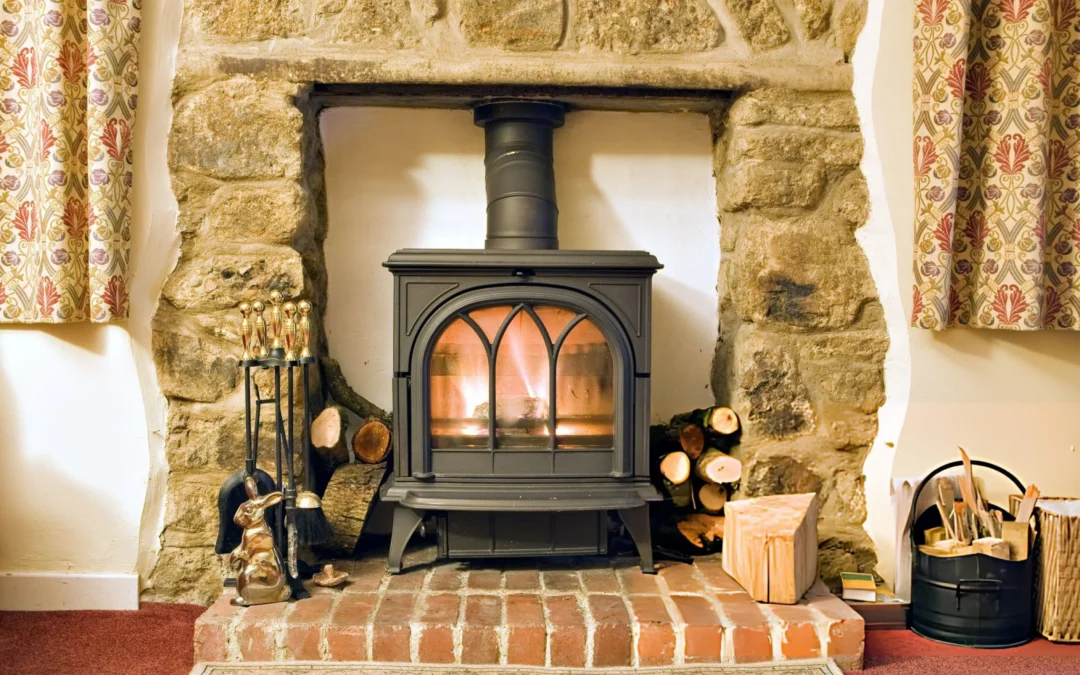
These units work well in homes without a built-in fireplace. They can be placed in different areas, making them a flexible option for additional heating. They are also easier to install compared to built-in units and are suitable for smaller or secondary spaces. - Built-in or wall-mounted fireplaces
These are permanent installations that are designed as part of the wall. A linear gas fireplace is a popular choice in this category, especially in modern homes. It offers a clean, minimalist look and evenly distributes heat throughout the room while enhancing the overall design.
Choosing the right type depends on your space, existing setup, and how you plan to use the fireplace.
What to Consider Before Buying a Gas Fireplace
Once you know the types, the next step is to look at what really matters for your home. A few practical factors can help you narrow down your options.
- Room size and heating needs
A larger room may need a more powerful unit, while a smaller space requires something more balanced to avoid overheating. - Available space and placement
Think about where the fireplace will be installed and how it fits into your room. This affects both heat distribution and overall appearance. - Venting requirements
Some fireplaces need proper venting systems, while others are simpler to install. This can also impact installation time and cost. - Ease of use
Look for features like remote control or adjustable flame settings for better convenience - Style and finish
The fireplace should match your home’s style while still meeting your functional needs.
Taking time to consider these points will help you choose a fireplace that works well both functionally and visually.
- Understanding Gas Fireplace Costs
The cost of a gas fireplace can vary depending on the type, features, and installation needs. Knowing what affects the price can help you plan better and avoid unexpected expenses. - Type of fireplace
Inserts, freestanding units, and built-in designs all come with different price ranges. This is one of the main factors affecting the overall gas fireplace insert cost. - Installation requirements
The complexity of installation, including venting and gas connections, can increase the total cost. - Features and design
Advanced features, modern designs, or larger units may cost more compared to basic models. - Condition of the existing setup
If you already have a fireplace, it may need adjustments or upgrades before installation.
Understanding these cost factors makes it easier to choose a fireplace that fits your budget without compromising on quality or performance.
Popular Styles and Modern Options
Gas fireplaces are not just about heating anymore; they also play a big role in how your space looks and feels. With many styles available, you can choose one that matches both your design preference and functional needs.
- Modern and sleek designs
A linear gas fireplace is a popular choice for contemporary homes. It offers a long, clean flame and fits well into minimal, wall-mounted setups. - Traditional fireplace styles
These are designed to give a classic look, similar to older fireplaces, but with the convenience of gas. They work well in homes that prefer a warmer and more familiar feel. - Compact and space-saving units
Smaller fireplaces are ideal for apartments or rooms where space is limited, but comfort is still important. - High-efficiency models
Many of the top gas fireplaces today are designed to deliver greater heat output while using less fuel, making them a practical long-term option.
Choosing the right style ensures your fireplace not only heats your home but also adds to its overall look.
Maintenance and Common Repairs
Even though gas fireplaces are low-maintenance, they still need regular care to keep working properly. Ignoring small issues can lead to bigger problems over time.
- Pilot light issues
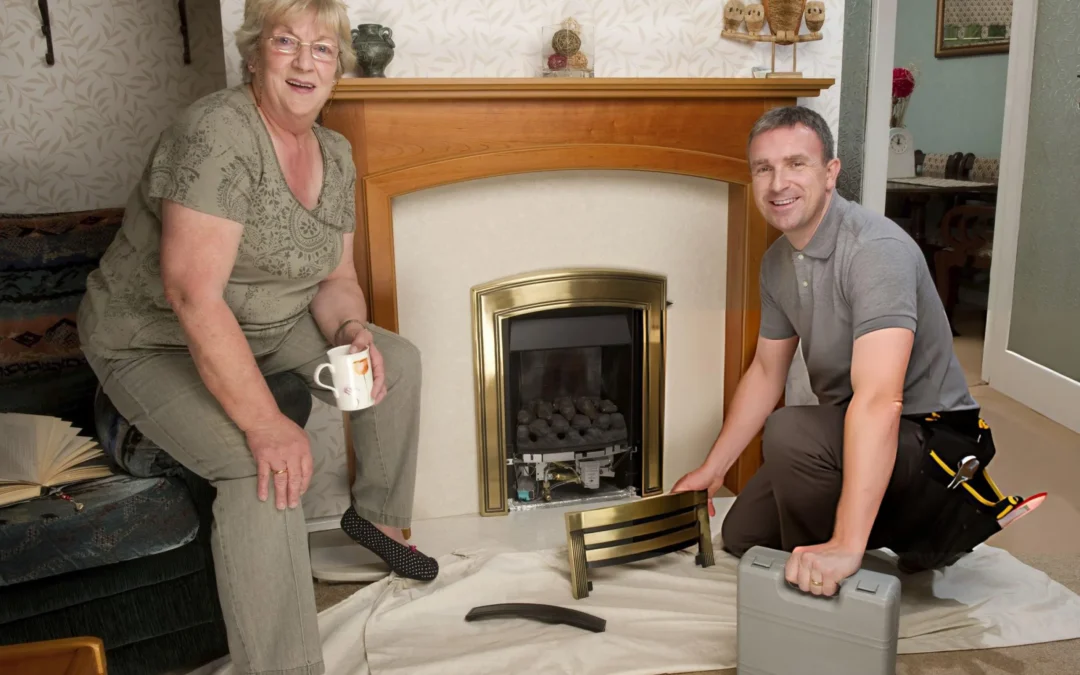
If the flame does not stay lit or keeps going out, it may need a gas fireplace pilot light repair to fix the problem safely. - Ignition problems
Difficulty in starting the fireplace can be a sign of wear or internal faults that need attention. - Cleaning and buildup
Dust or residue can affect performance, so occasional cleaning is important. - Regular inspection
Checking the system from time to time helps ensure everything is working safely and efficiently.
Keeping up with maintenance helps extend your fireplace’s lifespan and ensures it continues to perform well when you need it.
Gas vs Electric Fireplace: What’s the Difference?
If you’re still exploring options, it’s helpful to understand how gas fireplaces compare with electric ones. They both do the same thing but in different ways.
Heating performance
- Gas fireplaces provide real heat and can warm up larger spaces more effectively.
- Electric units are better suited for smaller areas or decorative use.
Installation needs
- Gas fireplaces require proper venting and gas connections.
- Electric fireplace installation is usually simpler and quicker.
Maintenance
- Gas units need occasional servicing and inspection.
- Electric fireplaces require minimal upkeep.
Real flame experience
- Gas fireplaces offer a more natural flame.
- Electric ones use visual effects.
Picking between the two depends on how much heat you need and how you plan to use the fireplace in your home.
Choosing a Gas Fireplace That Fits Your Home
Choosing the right gas fireplace comes down to understanding your space, your needs, and how you plan to use it. From selecting the right type to considering cost, style, and maintenance, each step plays a role in making a decision that works well for your home in the long run.
At D.J. Cross, Inc, we help homeowners explore a wide range of options, including top gas fireplaces suited to different spaces and preferences. Our team focuses on guiding you through the selection process so you can find a fireplace that fits both your home and your expectations.
If you’re planning to install a new fireplace or upgrade your current one, taking expert guidance can make the process easier and more reliable. The right choice today can bring comfort, efficiency, and lasting value to your home.